

Path To Emotional Healing
Picture yourself thriving in life – moving ahead, instead of feeling at a standstill, frustrated and unhappy.

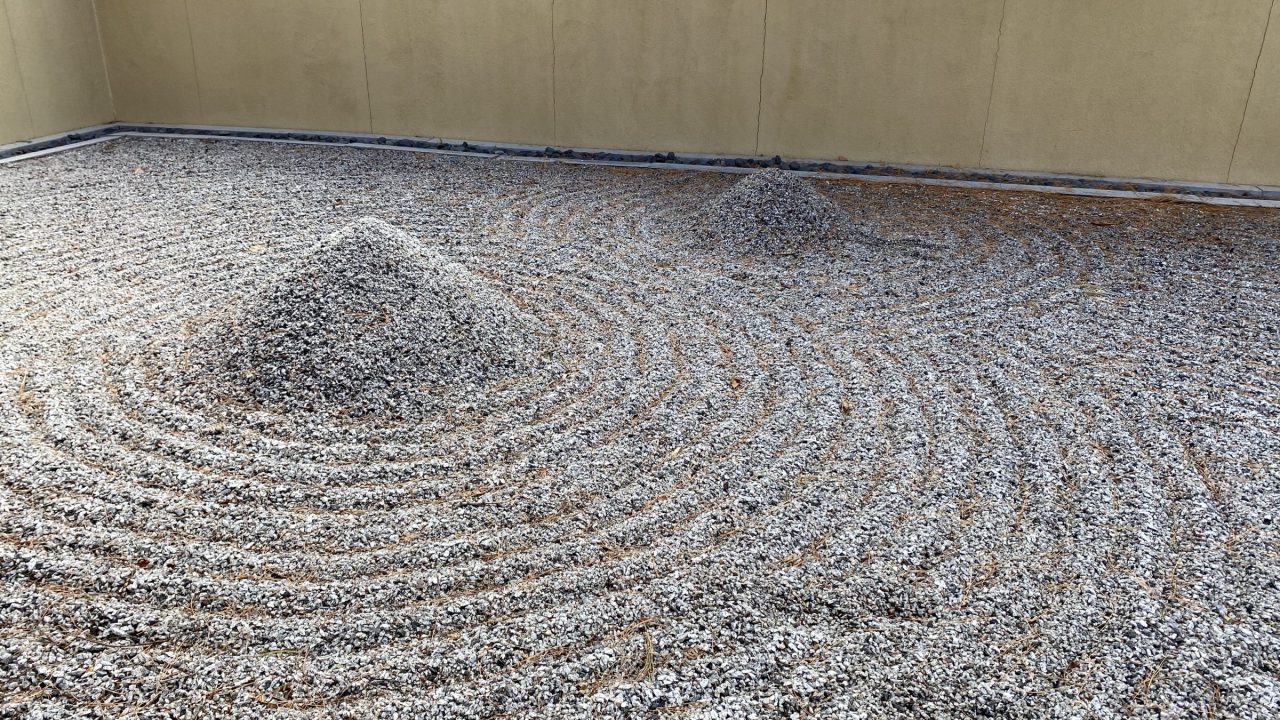

A touchstone for such fulfillment is positive emotional health. That’s hard to cultivate if you’ve been knocked off balance by stress, anxiety, grief, or loneliness. Yume’s transformative program of structured therapeutic garden walks can help you lighten these burdens, regain your poise and composure, and bring a happier life into view.
The program’s facilitators will guide you in pursuing independent, self-directed healing in regular walks through Yume’s gardens. Immersed in and physically responding to their quiet beauty, you’ll embark on a journey of awareness that increases your receptivity to peace of mind.


Health studies show that regular walking and personal reflection in the nurturing environment of a Japanese garden produces meaningful and lasting emotional benefits. Attain greater resilience in the face of adversity. With your emotions balanced and your self-esteem enhanced, you’re better able to care for yourself. Your mind turns to happiness, and in time, you feel more gratitude, contentment, and joy.
How it Works:
The Path To Emotional Healing Program has a deeper purpose than simply enjoying a stroll in nature. It is scientifically designed and requires a minimum 1-month commitment to help boost your sense of emotional ease. It is recommended that you walk the Gardens for 50-minutes at least twice weekly.
- Your first step will be to write a mini-biography describing key positive emotional episodes in your life, as well as negative emotional experiences that cloud your mind and spirit that you most want to work on. This mini-biography is private: neither the facilitator nor others in the program will see it.
- Next, you will speak with the facilitator to explore the benefits you may reasonably expect to receive and learn the science behind it. You’ll be introduced to a walking route through the Gardens with specific stops. You will receive a companion workbook that guides you through discovering a deeper meaning of each pause to aid your emotional healing.
- The workbook contains sets of themed walks that identify points along your way through the Gardens at which to pause, rest, feel at ease, and envision a rejuvenated life for yourself. Walks are based on themes of awareness, trust, possibility, joy, and fulfillment, designed to foster active self-reflection that creates space for progress in resolving emotional distress. You’ll then journal about your reflections and your response to the gardens as you proceed at your own pace. This is an individual journey, not with a group, to protect your physical health and safeguard the privacy of your inner journey.
Who Will Benefit?
The program is geared toward anyone troubled by:
- Chronic depression
- Post-traumatic stress disorder
- Grief and loneliness following the loss of a family member, friend, or pet
- Emotional distress because of divorce, job loss, retirement, aging, or a life-threatening illness
- Members of self-help groups for stroke and cancer survivors
- Support groups for veterans
- Groups dealing with gender issues and domestic violence
- Caregivers & counselors are welcome too
What Does it Cost?
The program fee is $250
The fee covers meeting with a facilitator, your workbook, and unlimited admission to the Gardens for 90 days.
Space in the program is limited, and advance registration is required.
Does it Help?
Scientific evidence has long been accumulating for the revitalizing emotional benefits of Japanese gardens. Here is a sampling of related reports, conference talks, and popular books and articles:
The Research:
- Journey to Well-being: A Nature-based Practice using Japanese Gardens, Conference Session, American Horticultural Therapy Association Annual Conference, October 5, 2019
- Japanese Gardens: The Ultimate Healing Environments; Journal of the North American Japanese Garden Association, Vol. 6 – 2019
- Latest Findings On Cognitive Characteristics of Japanese Gardens; Journal of the North American Japanese Garden Association, Vol. 5 – 2018
- Visionary Landscapes: Japanese Garden Design in North America, Kendall H. Brown, Tuttle Publishing, 2017
- A Pilot Study On The Effects Of Viewing [Philadelphia’s] Shofuso Japanese Garden; Journal of the North American Japanese Garden Association, Vo. 4 – 2017
- Japanese Garden Design, Perception, and Wellness; Sacred Nature, April 5, 2016
- Psychological and Biological Response to Three Landscapes in Japan: A Pilot Study; Journal of Therapeutic Horticulture, Vol. 23, No. 1 – 2013
- The Effect of a Reflective Garden Walking Program; Journal of Therapeutic Horticulture Vol. 23, No. 1 – 2013
- Visual Preference for Garden Design: Appreciation of the Japanese Garden; Journal of Therapeutic Horticulture, Vol. 22, No. 1 – 2012
- Green Views In The Health Environment, Sukiya Living – The Journal of Japanese Gardening, Vol 46, July-August 2005
- A Review: Theories of Restorative Environments; Journal of Therapeutic Horticulture, Vol. 12 – 2001
- Enabling the Japanese Garden; Journal of Therapeutic Horticulture, Vol. 9 – 1998
See a video of participants in the Stroll for Well-Being Program at Florida’s Morikami Japanese Museum and Gardens