Pre-contact Agaves in the Southwestern United States: Rediscovering Lost Crops among the Hohokam and other Arizona Cultures
November 14 @ 10:30 am – 11:30 am
Free with Gardens Admission-Registration Required
Capacity is 60
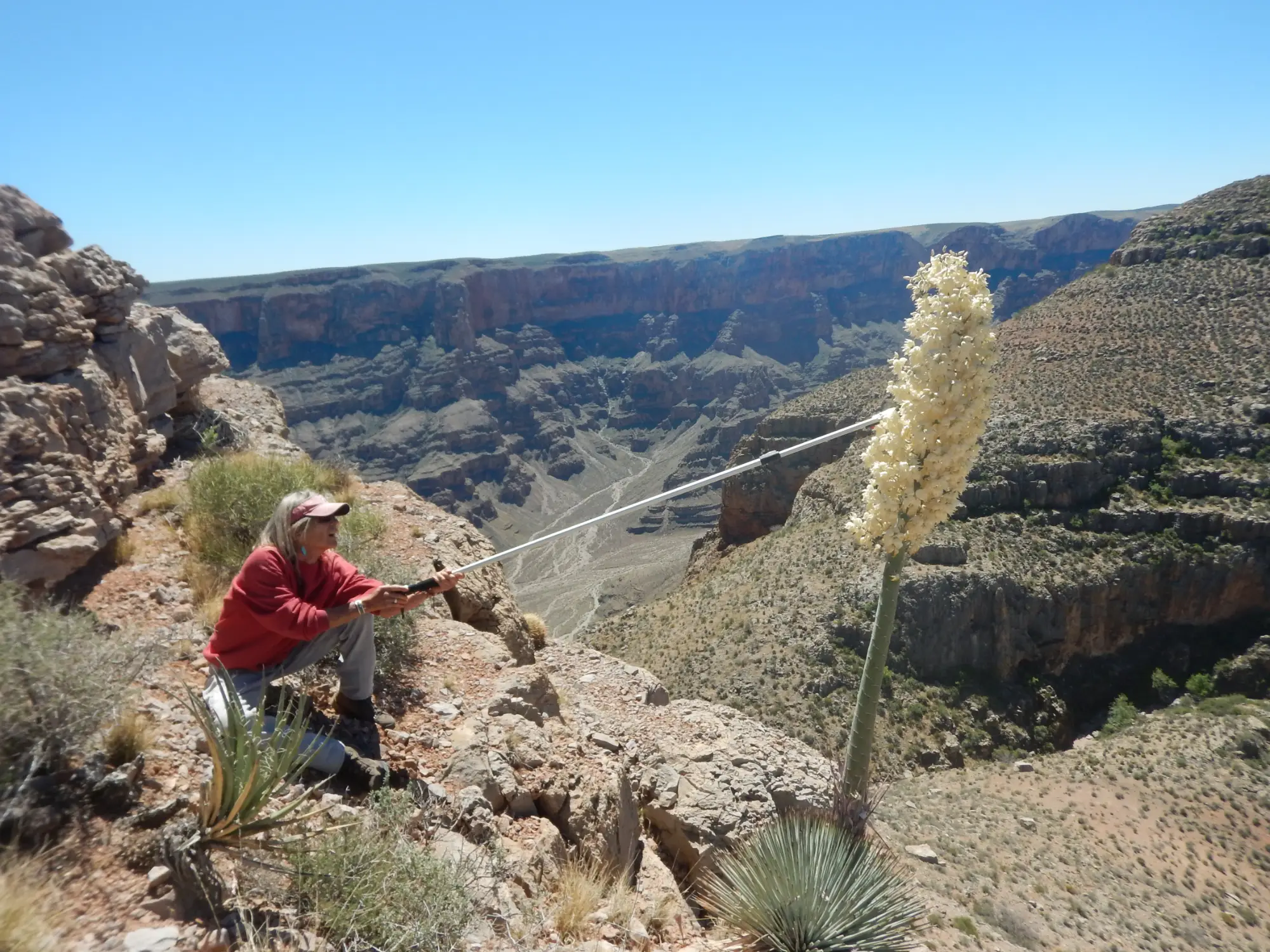
Agaves have long been recognized for their importance in Mesoamerica, but their significance to Indigenous peoples north of the U.S.–Mexico border has only recently gained broader attention. Research shows that pre-Columbian farmers cultivated multiple domesticated agave varieties in Arizona as early as A.D. 600, with many surviving today as living remnants of ancient agricultural systems. These plants provide valuable insights into prehistoric farming, trade, and migration, while DNA and morphological studies suggest Arizona may have been a secondary center of agave domestication. Learn how this work highlights the importance of integrating botany, archaeology, and Indigenous knowledge to better understand the cultural and ecological history of these remarkable plants.

instructor
Wendy C. Hodgson
I have lived in and loved the Sonoran Desert for more than 40 years. My areas of interest include Southwest U.S. and northern Mexico floristics, rare and endemic plants and taxonomy and systematics of Agave and Yucca, including the study of pre-Columbian agave cultivars. Other current projects include the study and documentation of the flora of the Grand Canyon region, including the evolution and distribution of certain plant groups as affected by the unique factors characteristic of this area. I am also studying and documenting Southwest US cacti, coordinator for the Cactus family treatment for Intermountain Flora and co-coordinator for the Cactus Family of Arizona project by Garden research staff and research associates. I am an avid plant collector who strives towards making high-quality specimens in difficult groups like Agavaceae and Cactaceae.
Upcoming Classes

Talks
Late Bloom: What Gardening Taught Me About Writing, Patience, and Beginning Again
October 17 @ 10:00 am – 11:00 am

Talks
Roots Unearthed: How Ancient Roman Botany Shaped the Plant Sciences
November 7 @ 10:00 am – 11:00 am